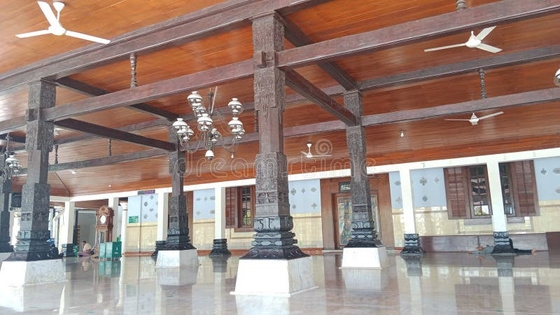
Wood Carving and Hindu-Islamic Syncretism
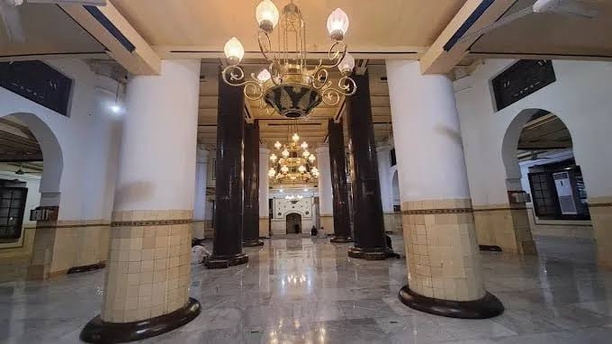
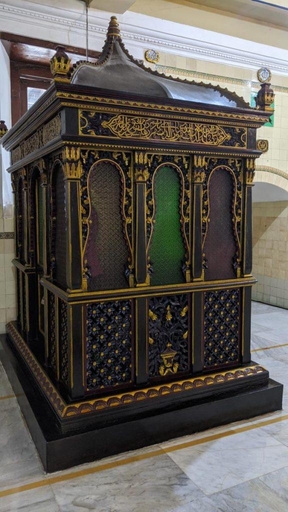
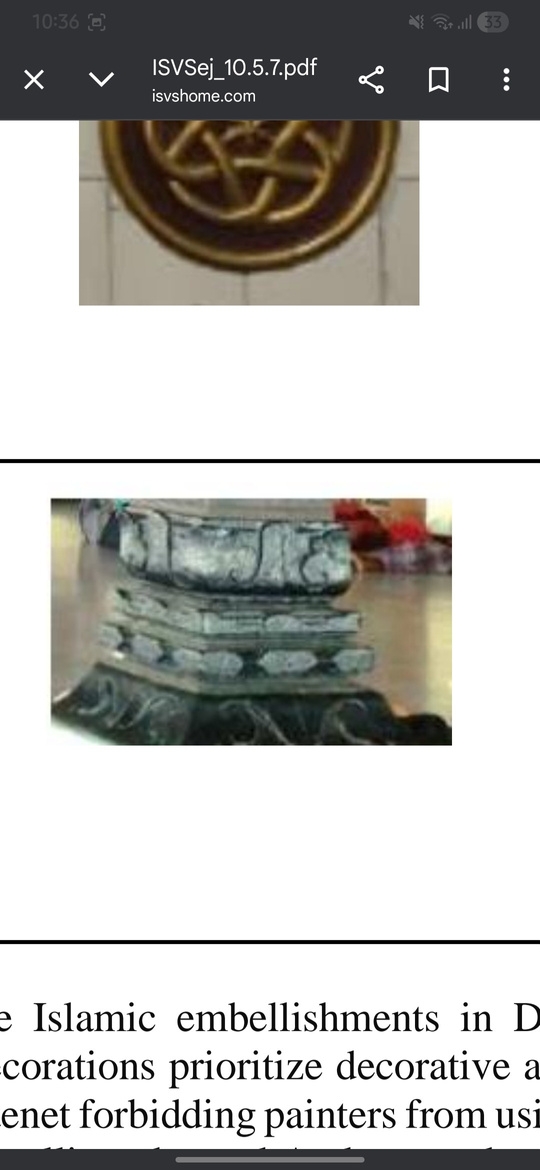
Javanese wood carving reached a high level of sophistication during the Demak Sultanate. Artisans applied intricate floral and geometric patterns to the structural elements of the mosque, such as the pillars and the mimbar.
These carvings often incorporated traditional symbols that predated Islam, subtly woven into a new religious context, showcasing the layered artistic heritage of Java. The use of teak wood provided both durability and a fine surface for the legendary 'Tatahp' (chiseling) techniques.
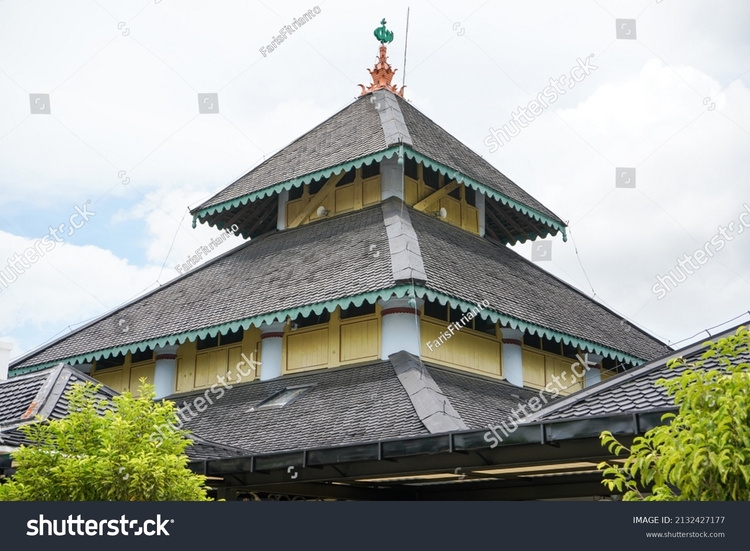
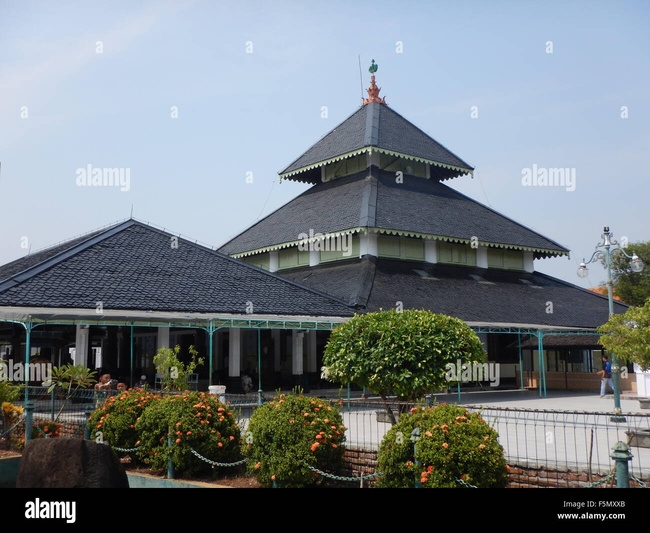
The Great Mosque of Demak stands as a testament to the early spread of Islam in Java, blending Hindu-Buddhist architectural forms with Islamic spiritual needs. One of the oldest mosques in Indonesia, it represents a pivotal moment in cultural history.
It is characterized by its three-tiered roof, a form reminiscent of Hindu Majapahit architecture rather than the domed structures common in the Middle East. This architectural choice facilitated the acceptance of Islam among the local population by providing a familiar visual language.
The use of teak wood and the specific orientation of the mosque reflect both local environmental adaptation and a new spiritual orientation. The 'Soko Guru' (main pillars) include one pillar made of wood scraps (Soko Tatal), symbolizing the unity of the community in building the sacred space.