Lattice Screens and Indo-Islamic Harmony
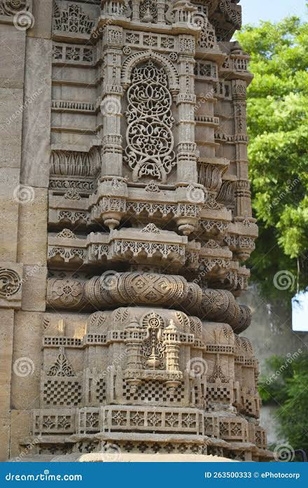
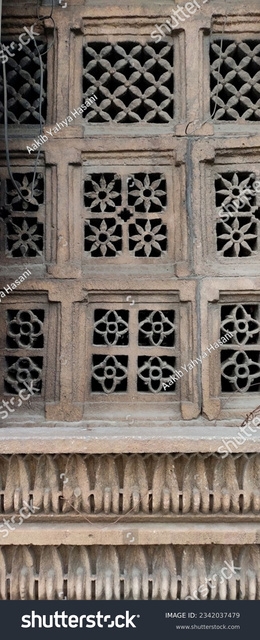
Stone Jaali, or perforated stone screens, are hallmark features of Gujarati architecture. Carved from solid sandstone, these screens provide both ventilation and a mesmerizing play of light and shadow (chiaroscuro).
The craft requires immense patience and precision, as a single slip of the chisel can ruin hours of work. The motifs often include stylized trees, vines, and geometric patterns that reflect the natural world, bridging the gap between organic forms and geometric structuralism.
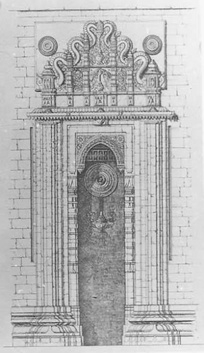
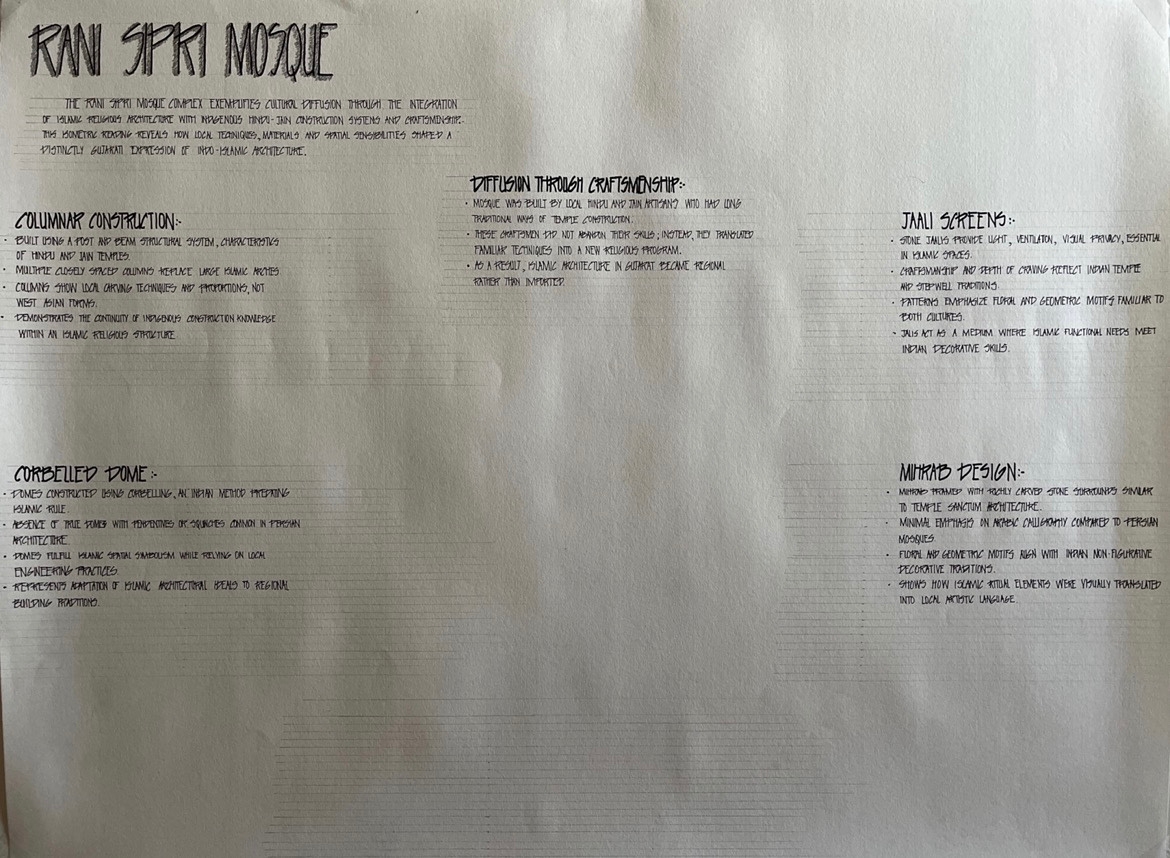
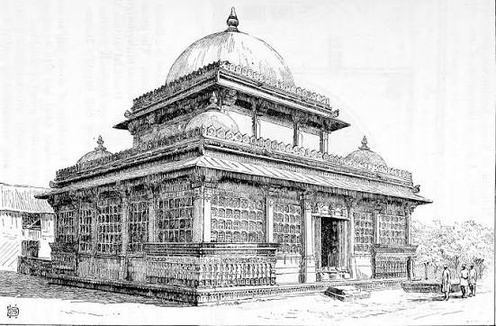
Built in 1514 by Rani Sipri, the wife of Sultan Mahmud Begada, this mosque is a masterpiece of Ahmedabad's architectural heritage. It is often described as the 'Jewel of a Mosque' due to its delicate proportions and the sheer density of its ornamentation.
Unlike the more austere Islamic structures of the North, Rani Sipri Mosque incorporates many elements of Hindu temple architecture, such as decorative pillars and toranas, symbolizing the cultural melting pot of medieval Gujarat. It stands as a silent witness to the era where two distinct artistic traditions merged.
The integration of Hindu and Jain craftsmanship into Islamic religious architecture is nowhere more evident than in the stone screens of Ahmedabad. These jaalis represent a visual dialogue where the 'Tree of Life' motif from local traditions becomes a symbol of Islamic paradise, creating a unique hybrid aesthetic that defined the regional style.