Rogan Art Main
Rogan Process Detail
Color Mixing
Chitrangada

Rogan Art & Sarkhej Roza

Castor Oil Pigments and Indo-Islamic Synthesis

The Craft: Rogan Art

Rogan Art, a traditional craft of the Khatri family in Kutch, represents a rare transition from simple fabric patterns to elaborate, permanent tapestries. Practiced for centuries in the Kutch region, this unique painting technique uses thickened oil and natural pigments.

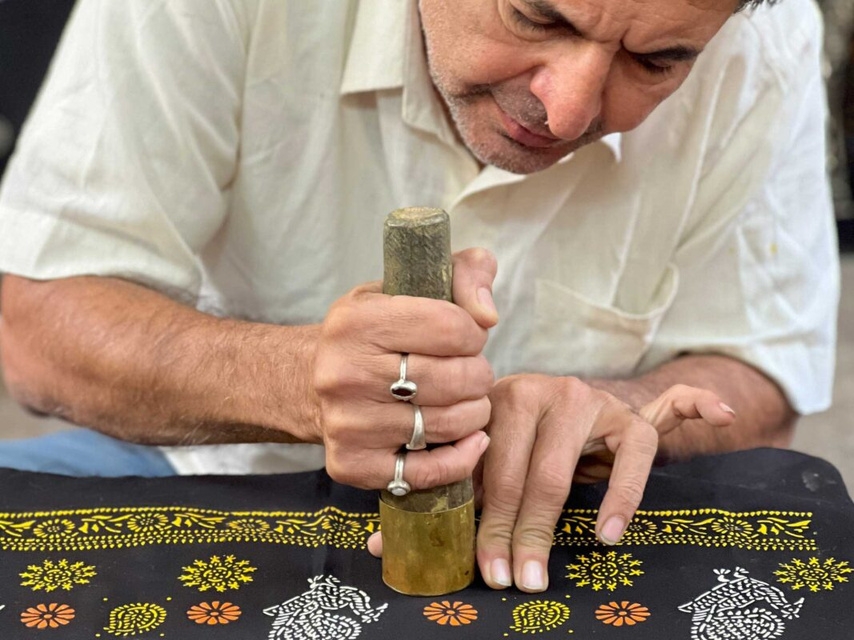
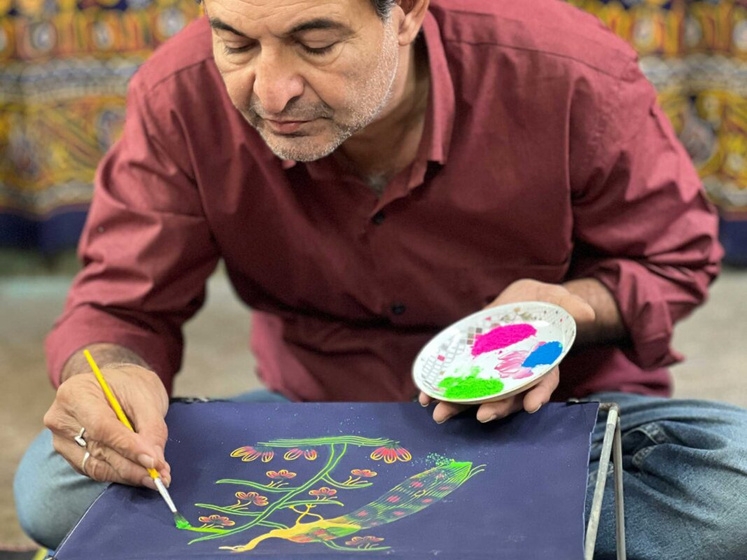
Rogan painting involves boiling castor oil for several days to create a thick paste, which is then mixed with mineral colors. The artist uses a thin metal rod (kalam) to stretch 'threads' of the paint onto the fabric without ever touching the surface directly. The motifs are often floral, with the 'Tree of Life' being a central theme.
Sarkhej Roza Main
Arch Detail
Historical Sketch

The Building: Sarkhej Roza

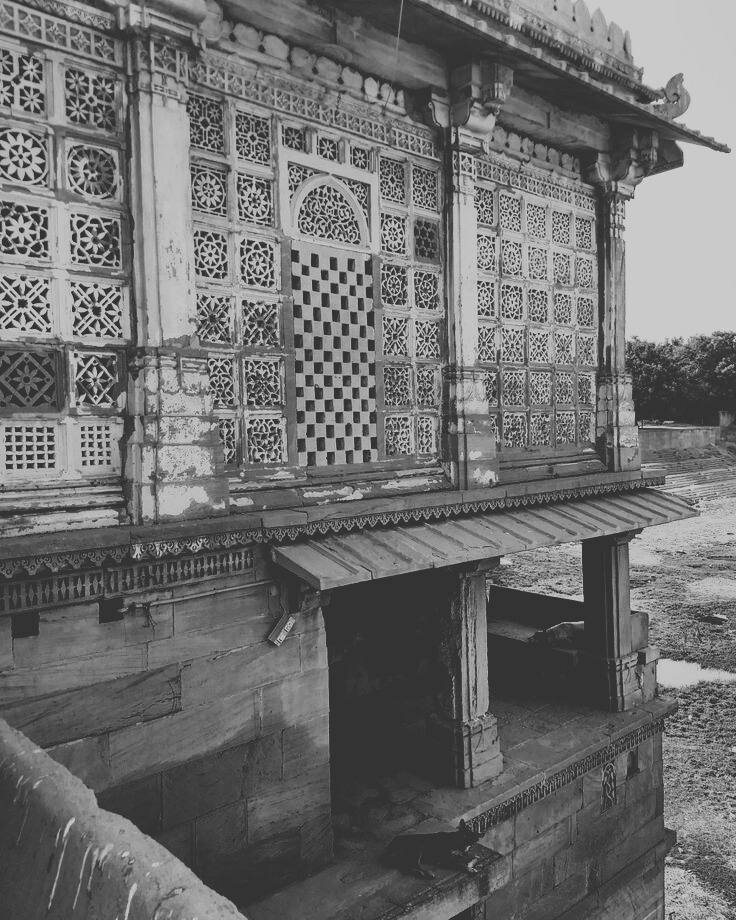
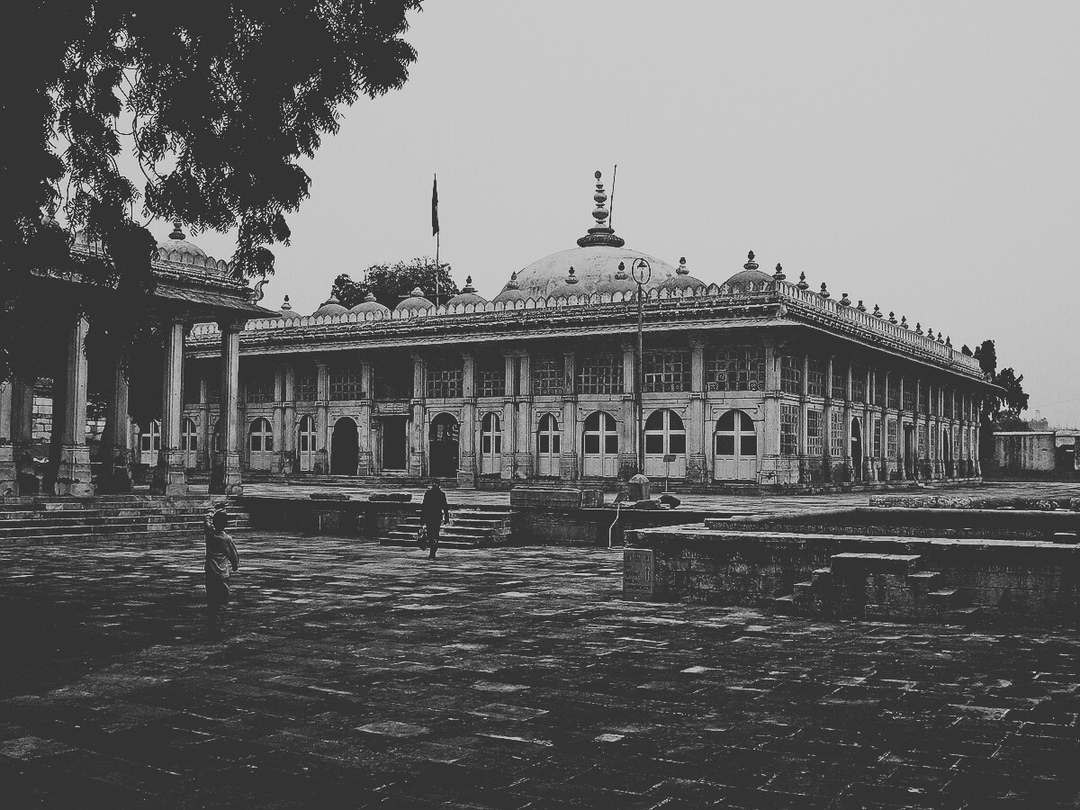
Sarkhej Roza, located in Ahmedabad, is often referred to as 'The Acropolis of Ahmedabad.' It remains one of the most elegant architectural complexes in Gujarat, representing a profound synthesis of Islamic and Hindu architectural styles.

The complex's intricate jaali work and pillar arrangements echo the rhythmic patterns found in Kutch's traditional crafts. This Indo-Islamic architectural style features elements like square pillars and lotus motifs, which were seamlessly integrated with Islamic structural forms.

Exhibition Display

A Living Tradition

Despite the challenges of modernity, Rogan Art continues to thrive through the dedicated efforts of the Khatri community. The precision of the kalam and the patience required for Rogan painting mirror the structural integrity and aesthetic complexity of monuments like Sarkhej Roza.