Immortal Bones Main
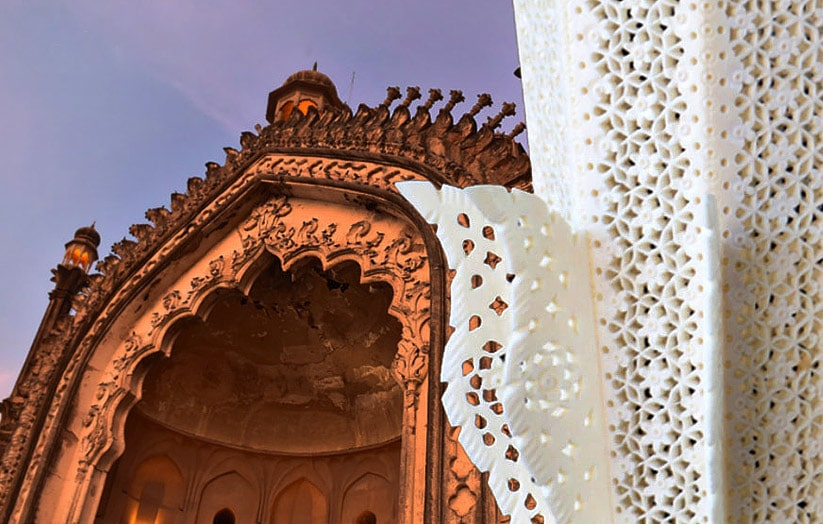
Bone Carving Detail
Traditional Design
Anusha + Dharshan

Immortal Bones

The Ancient Art of Bone Carving

The Craft of Bone Carving

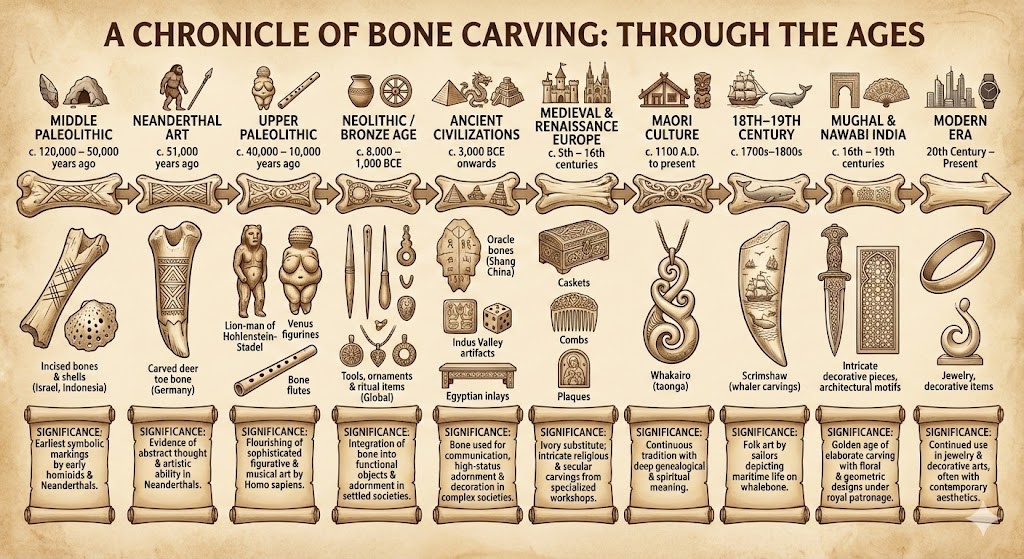
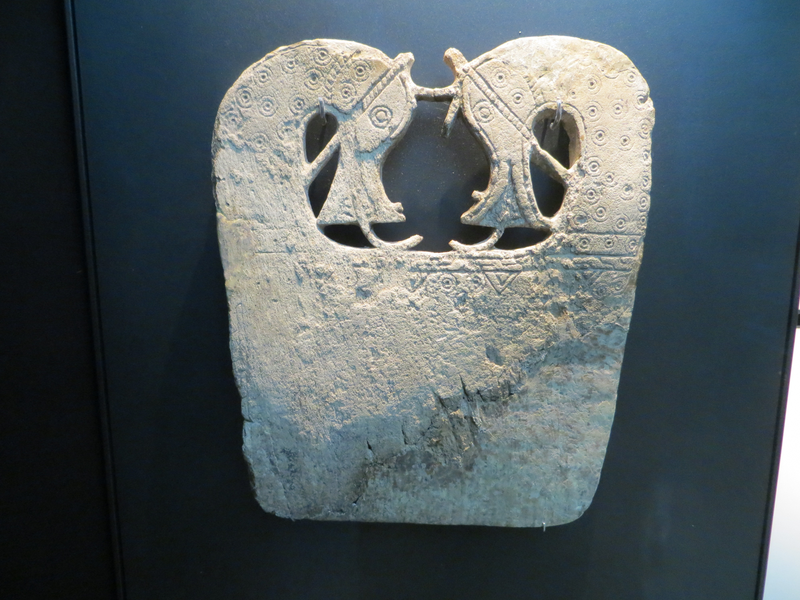
From the Middle Paleolithic era to the modern day, bone carving has evolved from a survival tool to a sophisticated decorative art form. One of the oldest known forms of artistic expression, this craft has thrived through generations in India, particularly in the regions of Rajasthan and Uttar Pradesh.

Utilizing natural animal bone, artisans create delicate jewelry, boxes, and decorative panels. The process involves meticulous cleaning, whitening, and then carving using specialized fine tools. The motifs often include floral jaalis and geometric shapes that reflect local architectural styles.
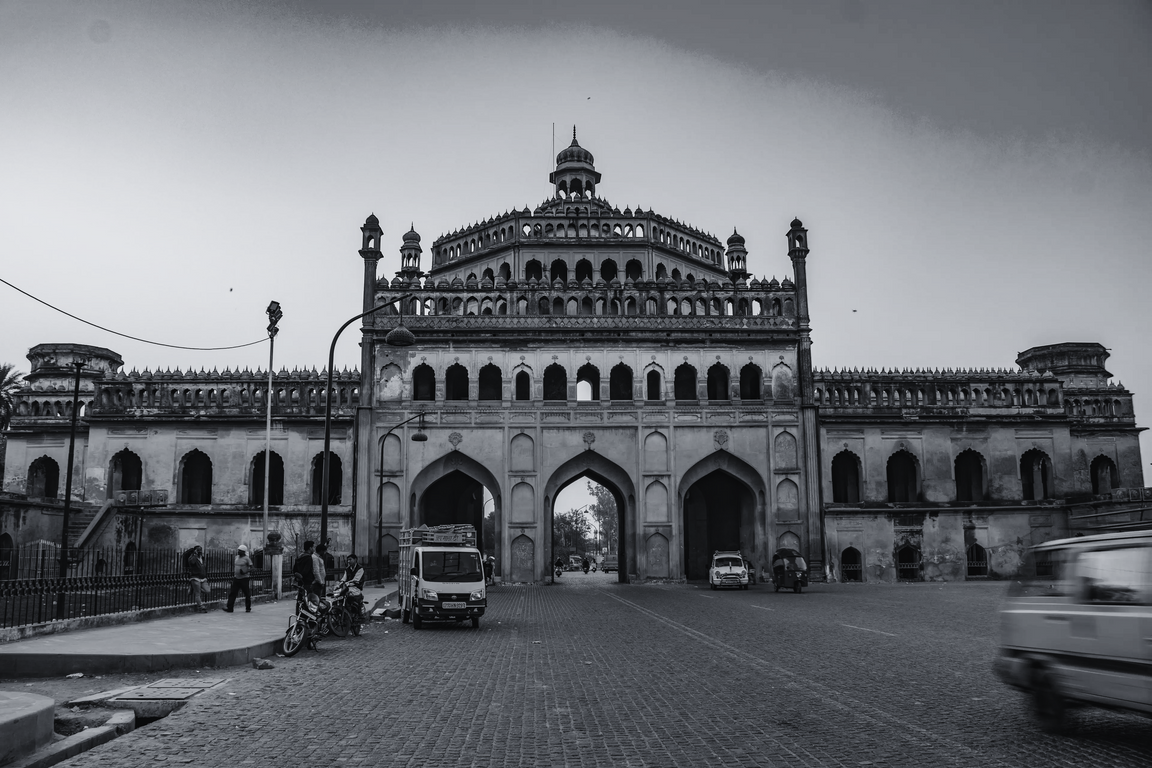
Rumi Darwaza
Arched Details
Geometric Patterns

Architectural Parallels: Rumi Darwaza

The Rumi Darwaza in Lucknow showcases the diffusion of Persian and Turkish architectural styles in India. Its majestic arch and intricate detailing mirror the precision seen in fine bone carving, illustrating how small-scale crafts and monumental architecture share a common design language of cultural exchange.

The rhythmic repetition of patterns on the facade of the gateway finds its miniature equivalent in the 'Immortal Bones' of the craft, creating a visual dialogue between the macro and the micro elements of Javanese and Mughal heritage.

Artisan Tools

Evolution of Technique

The craft's survival is linked to its ability to adapt. While the raw material has shifted from ivory to camel and buffalo bone, the fundamental techniques of 'Ghisai' (polishing) and 'Chiltai' (carving) remain unchanged. Each piece is a testament to the artisan's patience and the enduring legacy of a craft that literally carves history out of bone.