Ottoman Marble Main
Marble Carving Detail
Intricate Motifs
Anandavalli + Apoorva

Ottoman Turkish Marble

Calligraphy, Motifs, and Classical Grandeur

The Craft

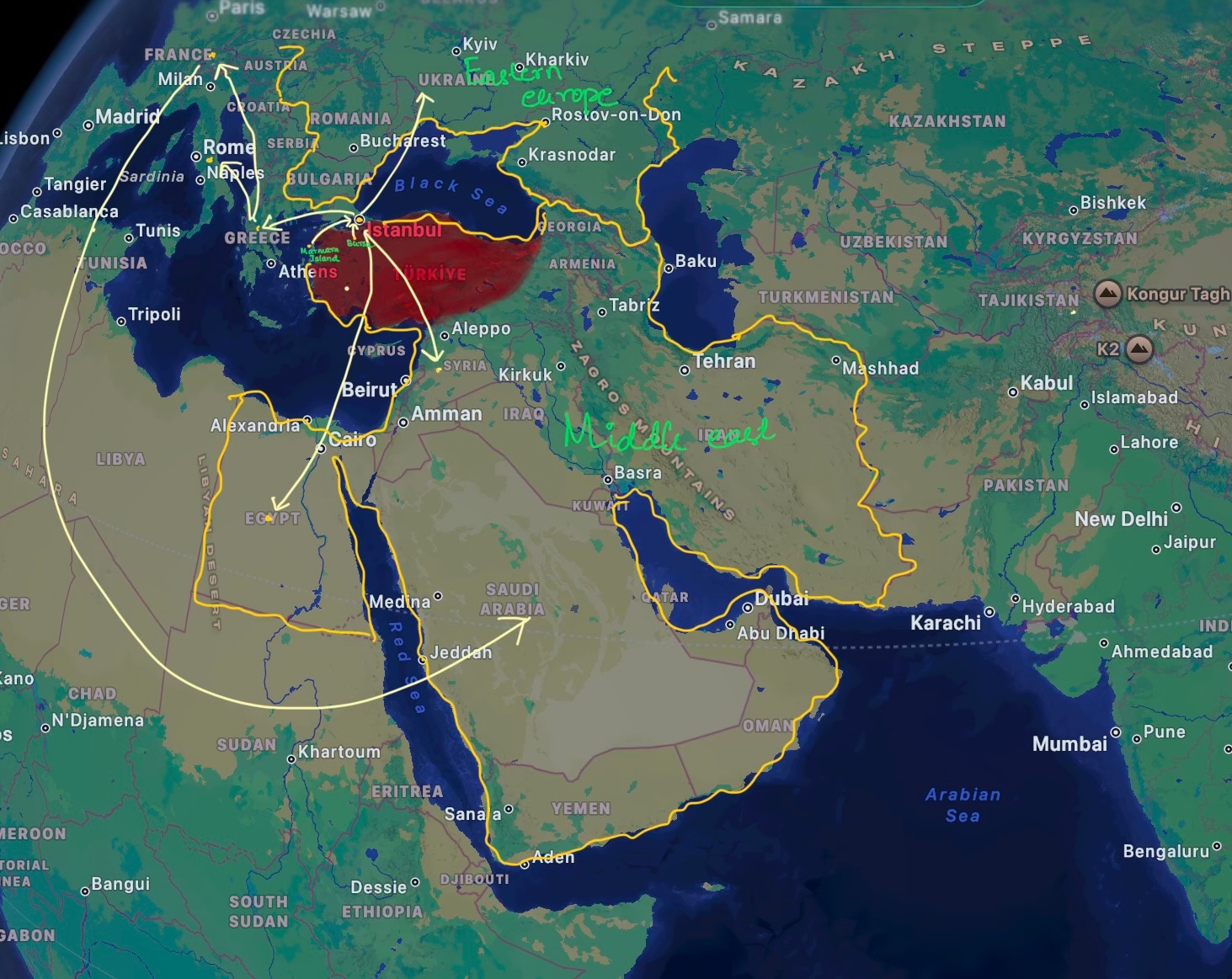
Ottoman marble craftsmanship represents a pinnacle of Islamic decorative arts, blending technical precision with profound symbolic meaning. The evolution of marble use, from the Marmara Island deposits through the Classical and Late Ottoman periods, reflects a mastery of symmetry and intricate motifs.

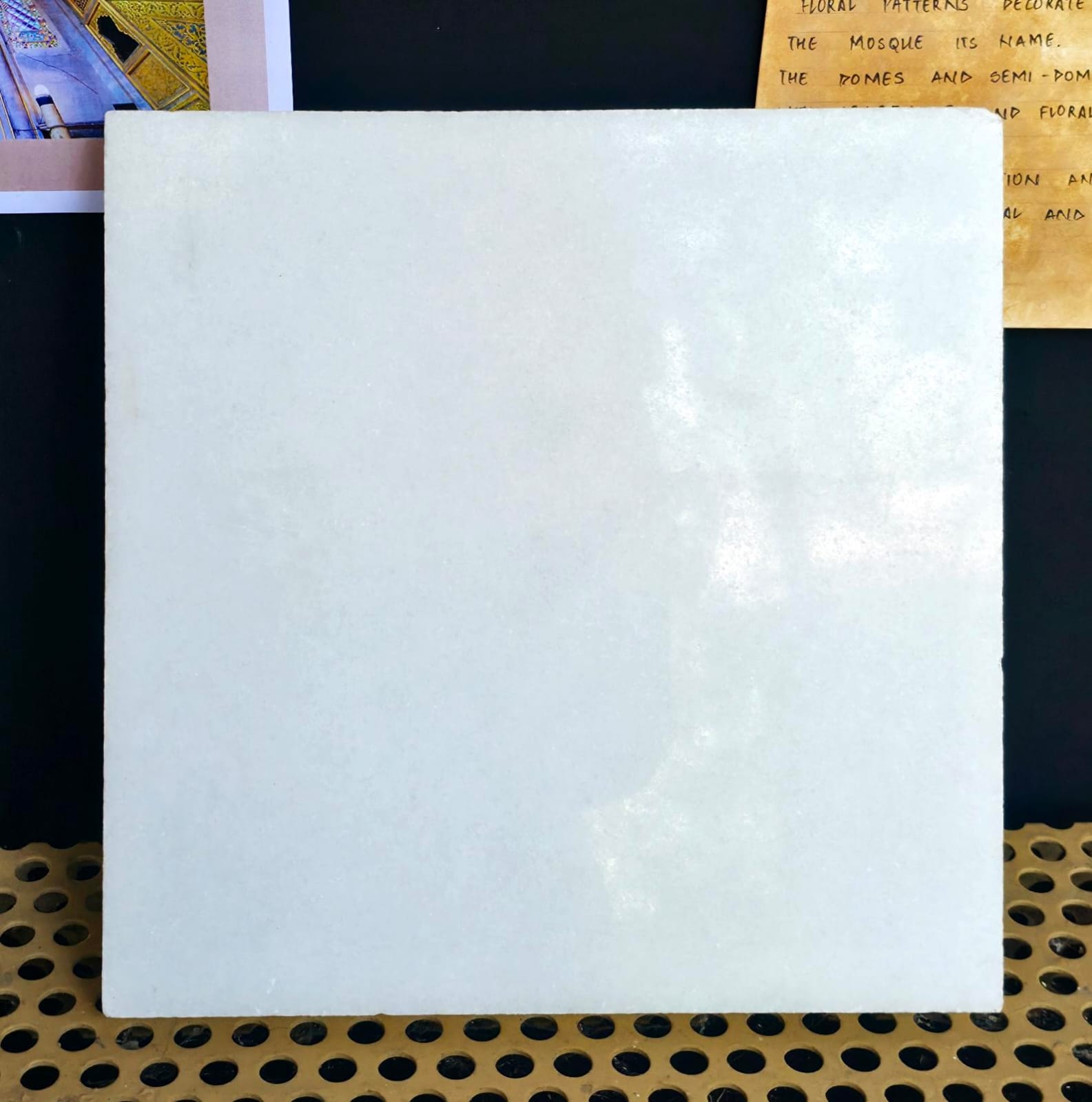
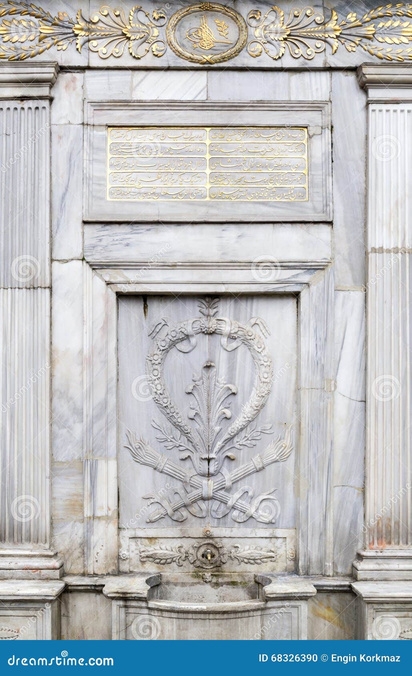
The techniques of carving Ottoman Turkish marble focus on calligraphy, intricate motifs, and perfect symmetry. Artisans utilized the unique properties of marble from the Marmara Island to create screens, tombs, and fountains that seem to breathe with life.

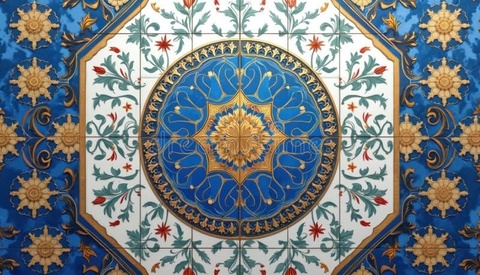
The carving often featured 'Rumi' and 'Hatayi' patterns—stylized floral and animal motifs that were common across Ottoman visual culture. To create a white surface, they applied tin-opacified glaze, and the blue designs were painted using cobalt oxide.
Blue Mosque Interior
Mosque Courtyard
Architectural Plan Detail

The Building: Blue Mosque

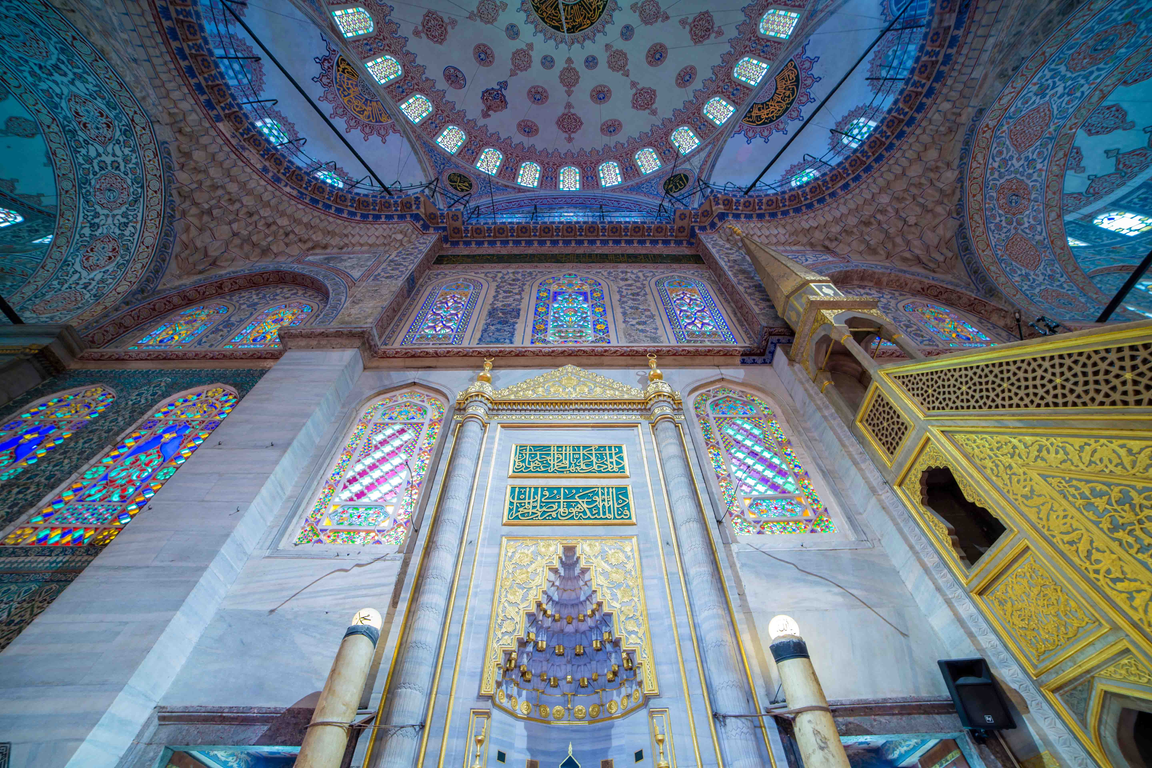
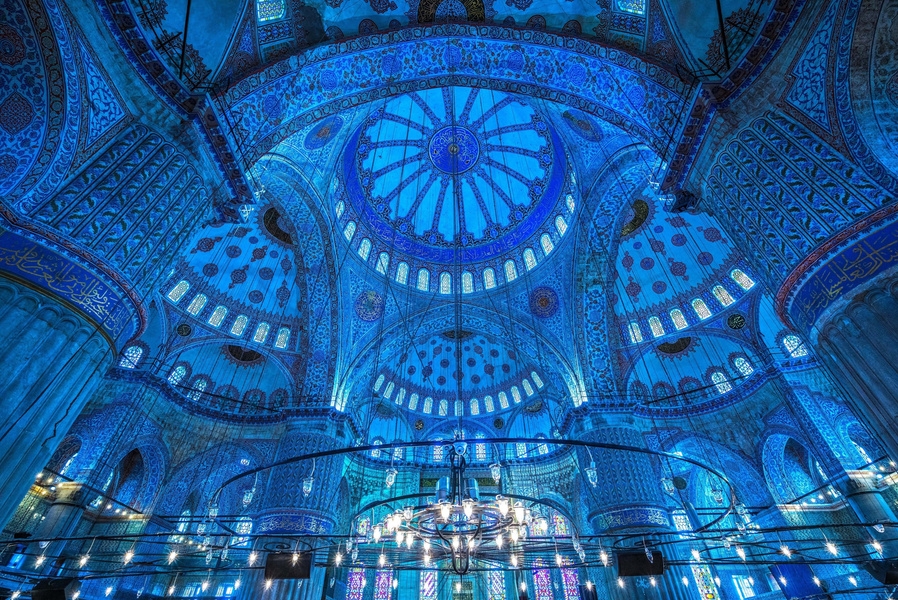
The Sultan Ahmed Mosque, widely known as the Blue Mosque, is a premier showcase for marble craftsmanship. Built during the reign of Ahmed I, the mosque features extensive use of marble in its courtyard, mihrab, and minbar.

The intricate marble work within the mosque complements the thousands of Iznik tiles, creating an atmosphere of celestial beauty and architectural harmony. The use of marble was not merely structural but served as a canvas for complex calligraphic inscriptions and naturalist floral patterns.

Architectural Influence

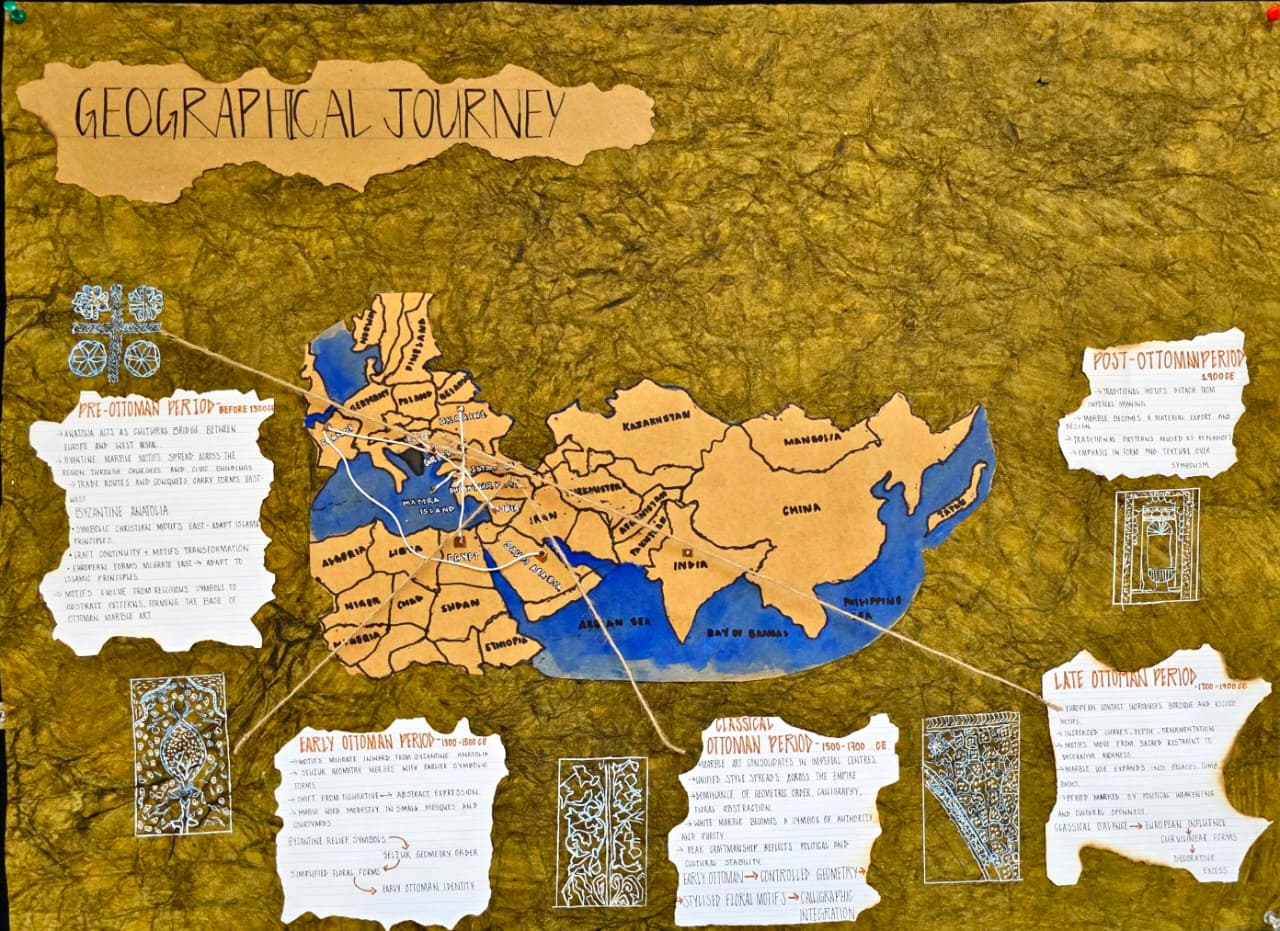
The integration of marble into the sacred spaces of Ottoman mosques reflects both Roman/Byzantine influences (repurposing classical techniques) and the distinct aesthetic of the High Ottoman period. This cultural diffusion resulted in a style that combined grand structural stability with delicate, lace-like stone carving.

Historical Document 1
Historical Document 2

History and Legacy

From the 15th century onwards, the state-controlled Marmara Island quarries provided a steady supply of high-quality marble for the capital's grand projects. This centralized control ensured a consistent level of quality that became synonymous with Ottoman imperial power.

Today, Ottoman marble work is recognized as a UNESCO-protected heritage skill, with restoration projects continuing to employ traditional techniques to maintain the grandeur of Istanbul’s historical skyline.