Hand-knotted Art and Imperial Architecture
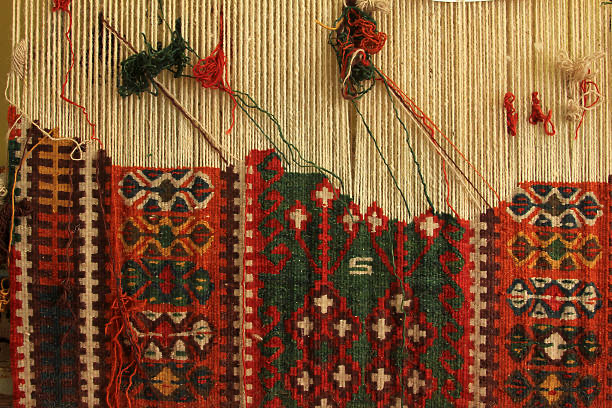
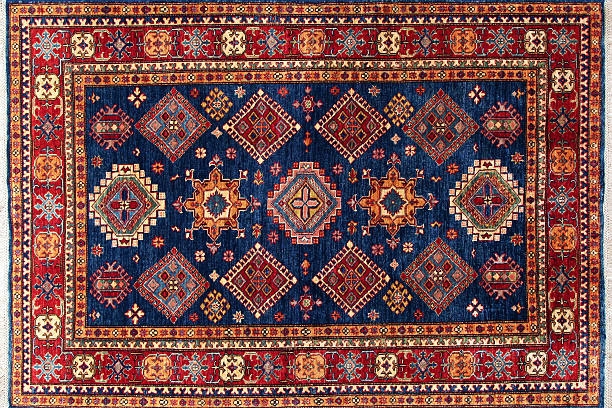
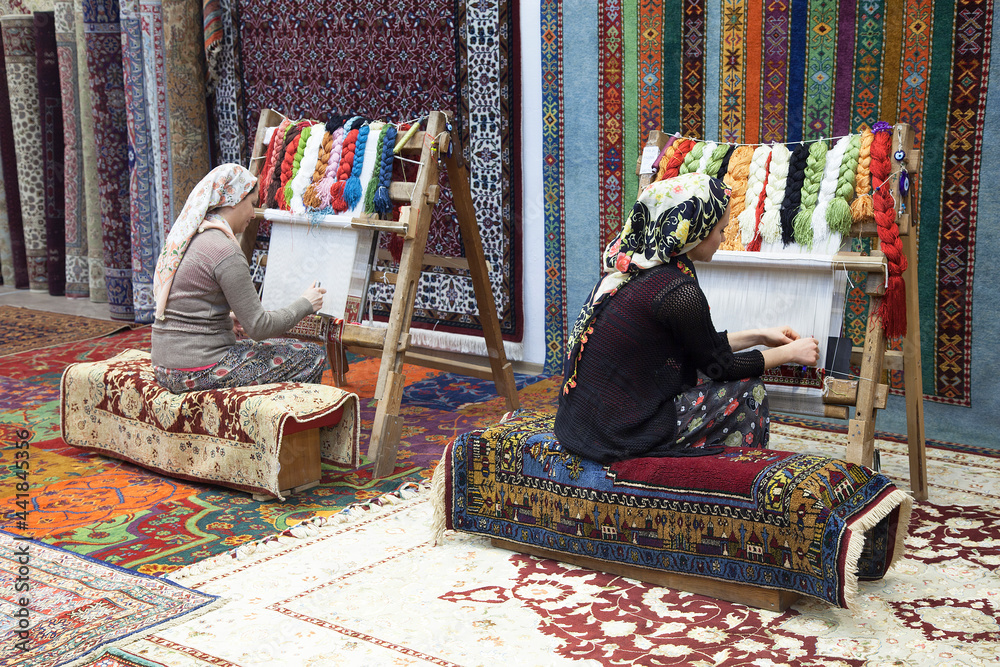
Hand-knotted Turkish carpets are among the most famous and culturally significant crafts in the Islamic world. Each rug tells a story through its intricate geometry and symbolic color palette, reflecting the nomadic heritage and urban refinement of Anatolia.
The craft involves the 'Ghiordes' or symmetrical double-knot technique, which provides exceptional durability. The motifs—ranging from the 'elibelinde' (hands on hips) symbolizing fertility to the 'mihrab' (prayer niche) design—represent a visual vocabulary that has been diffused through trade and migration for centuries.
The architectural history of Hagia Sophia serves as a lens through which we can witness the diffusion of Islam as a cultural and social force. Beyond its physical form, it represents a dynamic process of cultural assimilation and architectural innovation.
The conversion of the building influenced the development of Ottoman architecture, specifically the 'Classical' style championed by Mimar Sinan. The dome of Hagia Sophia became the prototype for sacred spaces across the Islamic world, creating a visual dialogue between Byzantine engineering and Ottoman spiritual aspiration.
This study analyzes the structural modifications and the symbolic importance of the Hagia Sophia in the narrative of Islamic expansion. It explores how the transition from figural mosaics to monumental calligraphy and tile work transformed the space, adapting it for a new religious context while preserving its monumental history.